Angular Switchery
A practical case study on wrapping a UI library inside AngularJS without breaking two-way data flow.

Alexander built this beautiful checkbox component called Switchery. From their website: “Switchery is a simple component that helps you turn your default HTML checkbox inputs into beautiful iOS 7 style switches in just few simple steps. You can easily customize switches, so that they match your design perfectly.”

I used it in multiple projects and loved the visual quality, but the AngularJS integration was fragile. Existing directives worked for initialization, yet model sync was inconsistent in edge cases.
So I built a directive focused on one thing: keep the UI and the Angular model in sync at all times.
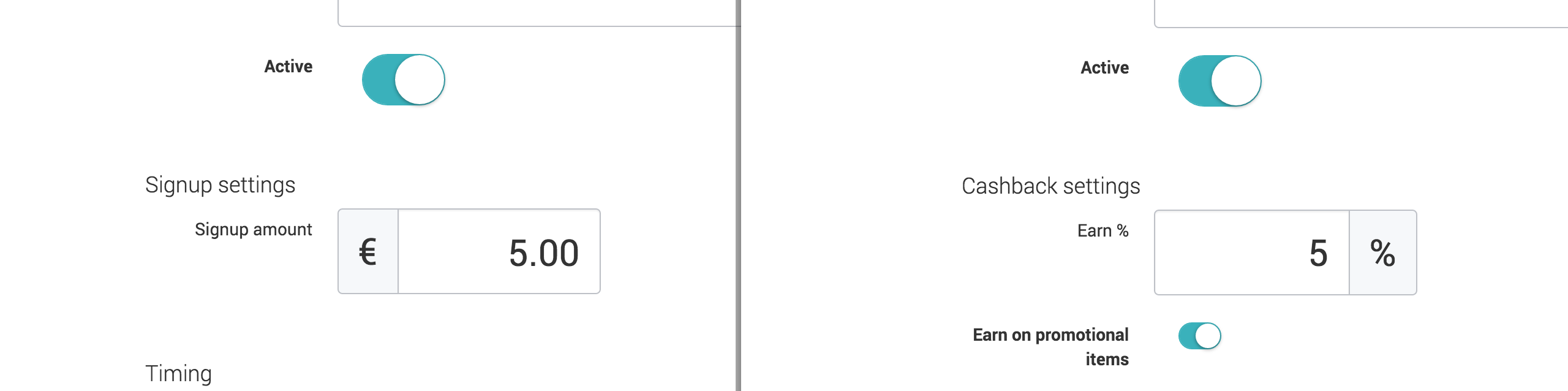
The result was Angular Switchery, a directive that transforms a plain checkbox into a switch and supports reliable two-way binding.
You can still find the source and setup notes on GitHub.
What made this integration tricky
UI libraries that directly mutate DOM state can bypass framework state updates.
In AngularJS terms, that usually means one of two bugs:
- switch changes visually but scope value stays stale
- scope value changes but visual switch does not update
The directive had to bridge both directions.
Simplified directive pattern
app.directive('switchery', function () {
  return {
    restrict: 'A',
    require: 'ngModel',
    link: function (scope, element, attrs, ngModel) {
      const sw = new Switchery(element[0], { size: attrs.switcherySize || 'default' });

      function renderFromModel(value) {
        element[0].checked = !!value;
        if (sw.setPosition) sw.setPosition();
      }

      ngModel.$render = function () {
        renderFromModel(ngModel.$viewValue);
      };

      element.on('change', function () {
        scope.$applyAsync(function () {
          ngModel.$setViewValue(element[0].checked);
        });
      });

      scope.$on('$destroy', function () {
        element.off('change');
      });
    }
  };
});
Lessons that still apply today
- wrap third-party components behind a thin adapter layer
- define one source of truth for state
- clean up listeners to avoid memory leaks
- test interaction, not only initial render
Even if AngularJS is legacy now, the integration lesson is timeless: whenever a UI library and a framework disagree about state ownership, build a clear contract.
The specific stack changes, but that principle keeps shipping velocity high.
If you are maintaining old AngularJS apps, these adapter patterns are often the fastest path to stability.